


What Is Ghusl in Islam?
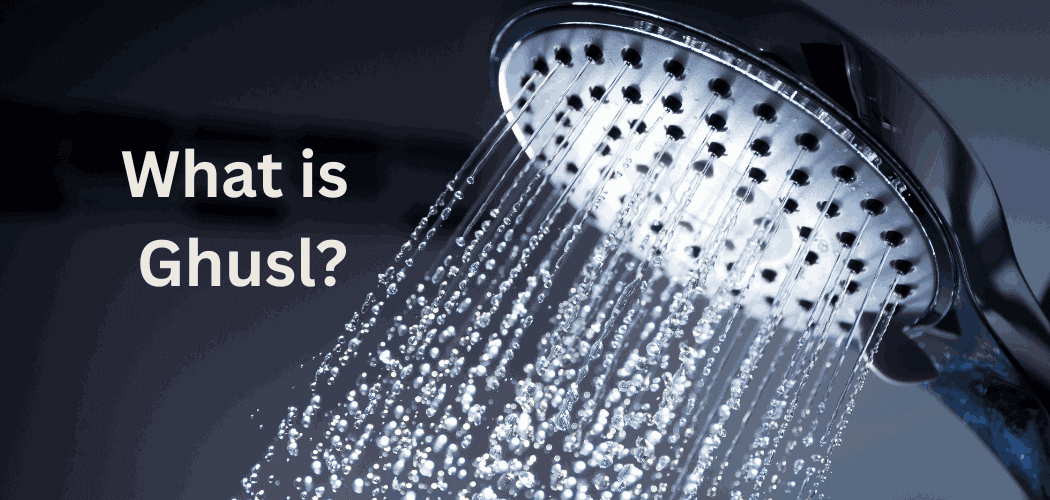
Ghusl (غسل) is the prescribed full-body ritual purification in Islam required to remove major ritual impurity (Hadath Akbar). It is a form of Taharah (ritual purity) that enables a Muslim to resume acts of worship such as Salah, Tawaf, and touching the Qur’an.
Unlike ordinary bathing, Ghusl is an act of worship (ibadah). Its validity depends on intention and correct performance, not cleanliness alone. Without Ghusl, certain core acts of worship remain invalid regardless of personal hygiene.
When Is Ghusl Obligatory (Wajib)?
Ghusl becomes mandatory when a person enters a state of major impurity, including:
1. Janabah (Sexual Impurity)
Occurs after sexual intercourse or the emission of semen, whether awake or asleep.
2. Menstruation (Haid)
A woman must perform Ghusl once menstrual bleeding completely ends.
3. Postnatal Bleeding (Nifas)
Ghusl becomes obligatory after postpartum bleeding stops.
4. Death of a Muslim
Washing the deceased (Ghusl al-Mayyit) is a communal obligation (Fard Kifayah) upon the living.
5. Entering Islam
A new Muslim performs Ghusl, especially if they were previously in a state of major impurity.
Until Ghusl is completed, a person may not perform prayer, fast certain acts of worship correctly, or perform Tawaf.
The Essentials (Faraid): Minimum Validity
If you are in a rush, you may perform the “sufficient” Ghusl. However, you must be careful, as missing a Pillar makes the Ghusl invalid.
| Action | Hanafi View | Shafi’i View | Maliki View | Hanbali View |
|---|---|---|---|---|
| Intention | Sunnah* | Fard | Fard | Fard |
| Rinsing Mouth & Nose | Fard (Must do) | Sunnah | Sunnah | Fard (Must do) |
| Washing Entire Body | Fard | Fard | Fard | Fard |
| Rubbing (Dalk) | Sunnah | Sunnah | Fard | Sunnah |
| Continuity (Muwalat) | Sunnah | Sunnah | Fard | Sunnah |
- Critical for Jeddah Residents: Since the Hanbali school is predominant in Saudi Arabia, rinsing the mouth and nose is considered obligatory. It is safest to always include this to ensure your prayer is valid in all local mosques.
- Maliki Note: Mere flowing of water is not enough; you must pass your hand over the body (rubbing) for it to count.
When Is Ghusl Sunnah (Recommended)?
Ghusl is strongly recommended before:
- Friday prayer (Jumu‘ah)
- Eid prayers
- Entering Ihram for Hajj or Umrah
- Standing at Arafat
These forms of Ghusl enhance spiritual readiness and align with prophetic practice.
Conditions for a Valid Ghusl (Across All Schools)
To ensure validity according to all four Sunni schools of fiqh, Ghusl must include:
- Intention (Niyyah) in the heart
- Rinsing the mouth and nose
- Washing the entire body, ensuring no dry area remains
This “safe Ghusl” removes scholarly differences and ensures prayers are valid in all regions, including Saudi Arabia.
Recommended: What Is Talbiyyah?
How to Perform Ghusl (Complete Sunnah Method)
- Make Intention (Niyyah)
Intend in your heart to purify yourself for the sake of Allah. - Say Bismillah
- Wash Both Hands
Three times up to the wrists. - Clean the Private Parts
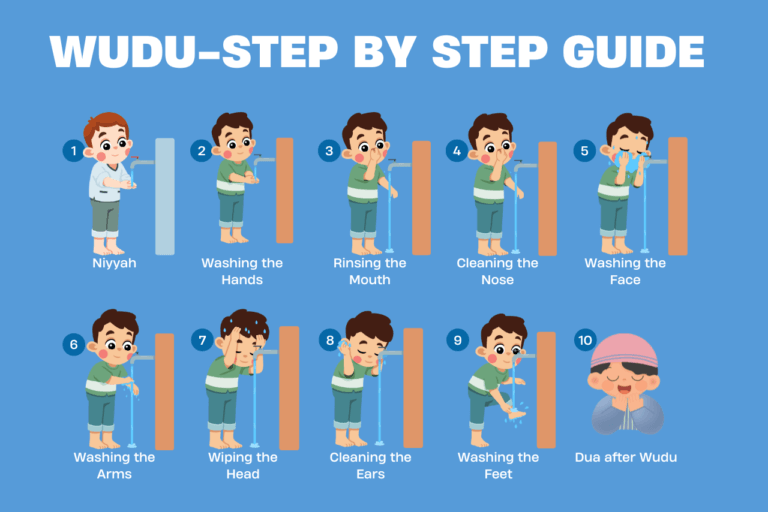
Remove any physical impurity. - Perform Wudu
As for prayer, including rinsing the mouth and nose.
(Feet may be washed later if standing water is present.) - Wash the Head
Pour water three times, ensuring it reaches the scalp and hair roots. - Wash the Entire Body
Start with the right side, then the left.
Rub the body to ensure water reaches folds, armpits, navel, and behind the knees. - Wash the Feet
If delayed earlier, wash them at the end.
This method combines obligatory and Sunnah actions, fulfilling prophetic guidance.
Minimum Ghusl vs Complete Ghusl
The minimum valid Ghusl requires:
- Intention
- Rinsing mouth and nose
- Washing the entire body
The complete Ghusl follows the Sunnah sequence and carries greater spiritual reward.
Differences in Ghusl for Men and Women
Hair & Braids
- After Janabah, women do not need to undo braids if water reaches the scalp.
- After menstruation or nifas, loosening braids is recommended to ensure thorough cleansing.
Post-Menstrual Purification
Women are encouraged to use a lightly scented cloth to cleanse the area after Ghusl, following prophetic guidance.
Common Issues That Affect Ghusl Validity
Barriers to Water
Anything preventing water from reaching the skin or nails (e.g., nail polish, waterproof cosmetics) invalidates Ghusl.
Henna
Henna stains are permeable and do not affect validity.
Dental Fillings & Braces
Considered part of the body or necessity; simply rinsing the mouth is sufficient.
Missed a Spot
If a dry area is discovered, wash that area immediately—no need to repeat the entire Ghusl (with minor fiqh nuances).
Shower vs Bucket
Modern showers are fully valid as long as all conditions of Ghusl are met.
FAQs
How do you perform Ghusl correctly?
By making intention, rinsing the mouth and nose, and washing the entire body without leaving dry areas.
What is Ghusl for a woman?
The same as for men, with specific rulings related to menstruation, nifas, and hair.
Can Ghusl be done in the shower?
Yes. A shower fulfills Ghusl if all obligatory actions are completed.
Can I just wash my private parts for Ghusl?
No. Ghusl requires washing the entire body.

Zeeshan is a professional driver and tour guide who has been living and driving in Saudi Arabia for the past 5 years. With deep knowledge of the roads, landmarks, and Ziyarat locations across Makkah, Madinah, Jeddah, and Taif, he helps pilgrims and travelers enjoy safe, smooth, and well-organized journeys. His experience in Umrah transport, city tours, and airport transfers makes him a trusted expert for visitors exploring Saudi Arabia.